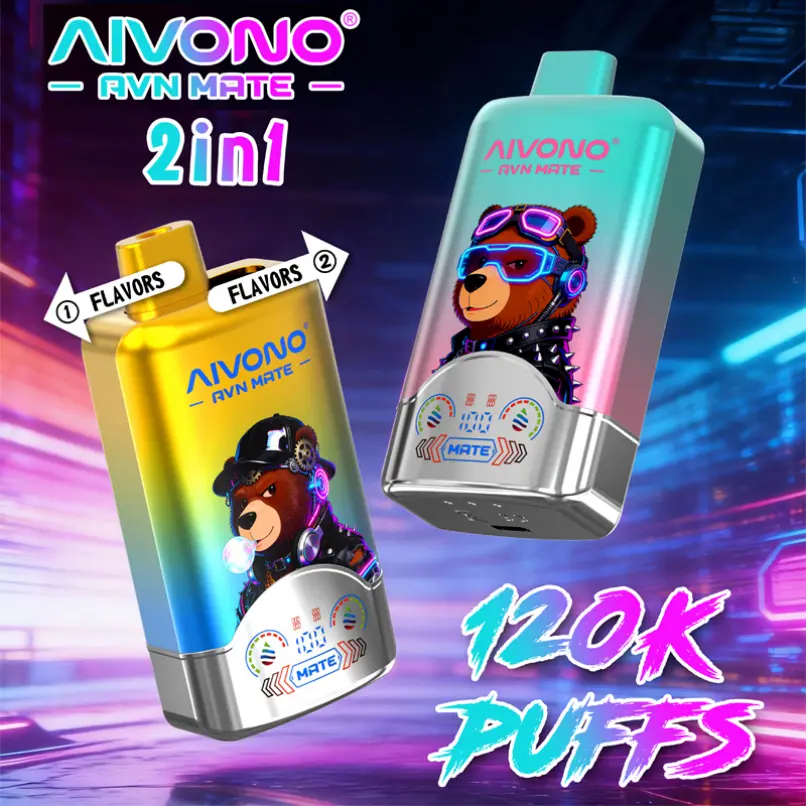




























Patent technology protection for electronic cigarettes
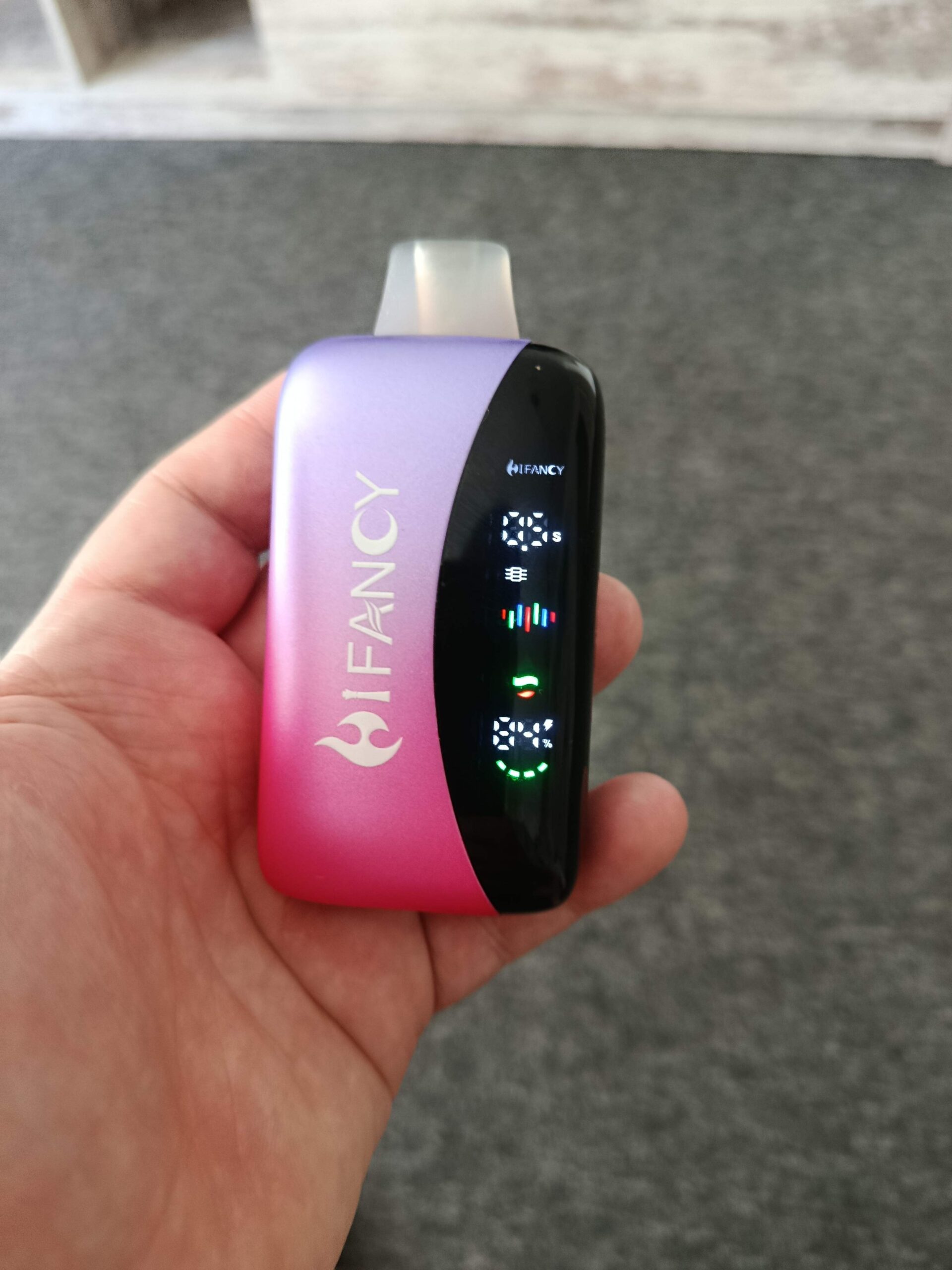
Patent Technology Protection for Electronic Cigarettes: Key Considerations and Strategies
The electronic cigarette industry has witnessed rapid innovation, driven by advancements in battery efficiency, vapor delivery systems, and user-centric designs. As competition intensifies, protecting intellectual property (IP) through patents has become essential for companies to safeguard their innovations and maintain a competitive edge. Below, we explore the critical aspects of patent technology protection in this sector.
Understanding the Scope of Patentable Innovations
Not all technological advancements in electronic cigarettes qualify for patent protection. To be eligible, an invention must meet criteria such as novelty, non-obviousness, and industrial applicability. For instance, breakthroughs in coil design that enhance vapor production without compromising safety may be patentable, whereas minor modifications to existing components might not.
Process innovations, such as methods for manufacturing e-liquids with improved flavor stability, also fall under patentable subject matter. Similarly, software algorithms that optimize battery usage or customize vaping experiences could be protected if they meet the necessary thresholds.
It’s important to note that abstract ideas or natural phenomena, like the basic principle of vaporization, cannot be patented. However, applying these principles in novel ways—such as through a unique heating mechanism—may qualify for protection.
Navigating International Patent Laws and Regulations
The global nature of the electronic cigarette market means companies must consider patent protection across multiple jurisdictions. The Patent Cooperation Treaty (PCT) offers a streamlined process for filing patents internationally, allowing applicants to seek protection in over 150 countries through a single application.
Each country has its own legal standards for patentability. For example, the European Patent Office (EPO) may reject claims deemed too broad or lacking technical detail, while the United States Patent and Trademark Office (USPTO) focuses on whether an invention is “useful” and “non-obvious.” Conducting thorough prior art searches helps avoid rejections by ensuring the invention is truly novel.
Enforcement of patents also varies by region. In some markets, counterfeit products are rampant, making it crucial for companies to monitor infringement and take legal action when necessary. Working with local IP attorneys ensures compliance with regional laws and strengthens enforcement efforts.
Strategies for Maximizing Patent Lifespan and Value
Patents typically expire 20 years from the filing date, but companies can extend their market exclusivity through strategic planning. One approach is to file continuation applications, which allow for additional claims or refinements to the original invention. This keeps competitors at bay while the technology evolves.
Licensing agreements are another way to monetize patents without directly manufacturing products. By granting other companies the right to use patented technology, innovators can generate revenue while expanding their market influence. These agreements often include royalties based on sales volume or profit margins.
Regularly updating patent portfolios is vital in fast-paced industries like electronic cigarettes. As new features emerge—such as biometric sensors for user authentication—filing fresh patents ensures continued protection. Companies should also audit their existing IP to identify gaps or opportunities for improvement.
Addressing Challenges in Patent Enforcement and Litigation
Despite robust patent filings, enforcing rights can be complex. Infringement cases often involve technical disputes over whether a product incorporates patented elements. Courts may require detailed analyses of component designs or manufacturing processes, making expert testimony critical.
Alternative dispute resolution methods, such as arbitration or mediation, can offer faster and more cost-effective solutions than traditional litigation. These approaches are particularly useful when dealing with international partners or suppliers.
Public perception also plays a role in enforcement. Companies must balance aggressive IP protection with transparency to avoid accusations of stifling innovation. Demonstrating a commitment to ethical practices—such as open licensing for humanitarian purposes—can enhance reputation while safeguarding core technologies.
Protecting patent technology in the electronic cigarette industry requires a proactive, multifaceted approach. By understanding patentability criteria, navigating global regulations, and implementing strategic enforcement tactics, companies can secure their innovations and thrive in a competitive marketplace.