


























Regulations on the Protection of Minors for E-cigarettes

Regulations Protecting Minors from Electronic Cigarettes: Global Frameworks and Enforcement Strategies
The proliferation of electronic cigarettes (e-cigarettes) has raised urgent concerns about youth access and addiction, prompting governments worldwide to enact strict laws to shield minors from their risks. Unlike traditional tobacco, e-cigarettes are often marketed with youth-appealing flavors, sleek designs, and digital marketing tactics, exacerbating fears of a new generation becoming nicotine-dependent. This analysis explores the core components of minor-protection regulations, their enforcement challenges, and the evolving strategies to address gaps in safeguarding adolescents.
Legal Age Restrictions and Sales Bans
A cornerstone of minor-protection laws is setting a minimum age for purchasing e-cigarettes, typically aligned with tobacco age limits, though enforcement varies by region.
Uniform Age Thresholds Across Jurisdictions
Most countries with e-cigarette regulations prohibit sales to individuals under 18 or 21, mirroring tobacco age limits. For example, the United States raised the federal minimum age for tobacco and e-cigarette purchases to 21 in 2019 under the Tobacco 21 law, aiming to reduce youth access through stricter retail compliance. Similarly, the European Union’s Tobacco Products Directive mandates a minimum age of 18 for e-cigarette sales across member states, though some nations like the UK have adopted additional measures, such as requiring age verification for online purchases.
Online Sales and Cross-Border Loopholes
Despite age restrictions, online platforms remain a major channel for underage access due to lax verification processes. Minors often exploit fake IDs or third-party delivery services to bypass checks. To combat this, countries like Canada require age verification at both the point of sale and delivery, with couriers mandated to confirm recipients’ ages. However, cross-border e-commerce complicates enforcement, as sellers in regions with weaker regulations may ship products to minors elsewhere. International cooperation, such as data-sharing agreements between customs agencies, is critical to closing these gaps.
Penalties for Non-Compliance
Effective deterrence relies on significant penalties for retailers who sell to minors. In Australia, fines for illegal e-cigarette sales can exceed AUD 10,000 for individuals and AUD 50,000 for corporations, with repeated violations leading to license revocations. Some jurisdictions also impose mandatory staff training programs for vendors to ensure awareness of age-verification protocols. Despite these measures, undercover sting operations frequently reveal high rates of non-compliance, particularly in convenience stores and gas stations, highlighting the need for more frequent inspections.
Marketing and Advertising Restrictions
To prevent e-cigarettes from appealing to youth, regulations increasingly target marketing tactics that normalize vaping or associate it with lifestyle trends.
Bans on Flavored Products and Youth-Oriented Branding
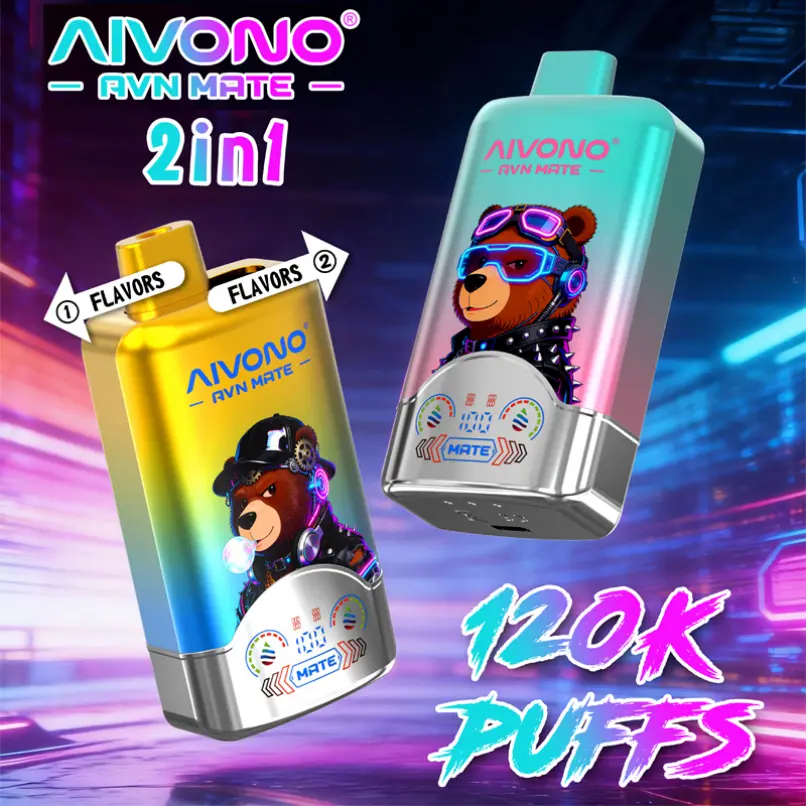
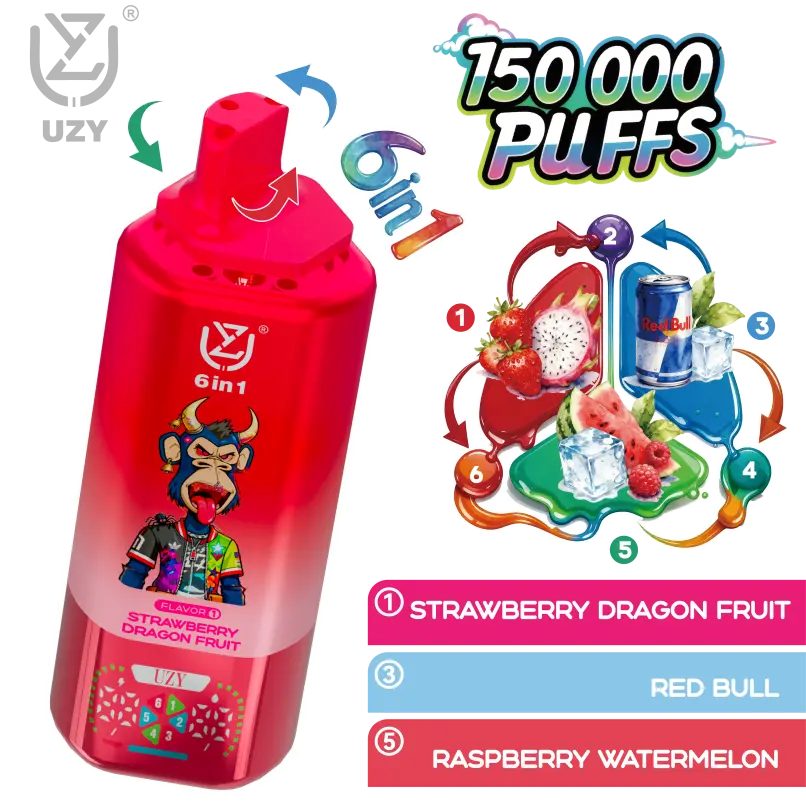
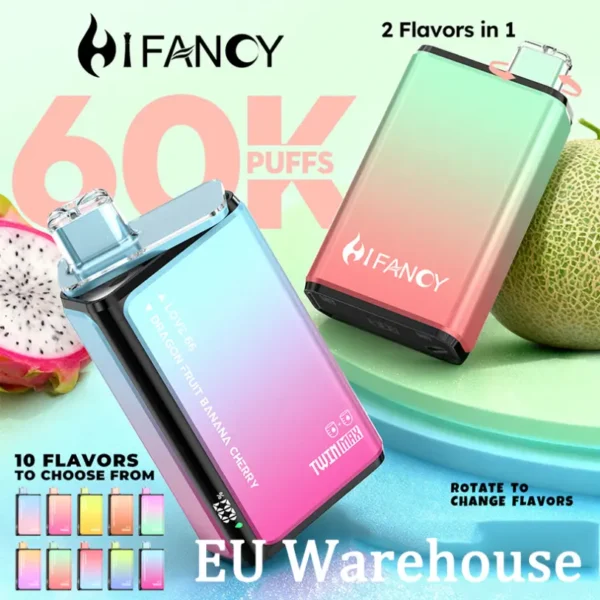
Flavors like fruit, candy, and dessert are a major draw for adolescents, leading many countries to restrict or ban their sale. The U.S. Food and Drug Administration (FDA) prohibited most flavored cartridge-based e-cigarettes in 2020, though menthol and tobacco flavors remain permitted in some contexts. Similarly, India’s 2019 e-cigarette ban included all flavored products, citing their role in attracting young users. Beyond flavors, packaging regulations prohibit cartoon characters, bright colors, or terms like “vitality” that could imply health benefits or appeal to minors.
Social Media and Influencer Marketing Crackdowns
Digital platforms amplify youth exposure through targeted ads and influencer endorsements. Regulators are responding by holding social media companies accountable for hosting vaping content that violates age restrictions. For instance, the UK’s Advertising Standards Authority (ASA) has banned numerous Instagram and TikTok posts featuring e-cigarette promotions, citing their potential to reach underage audiences. Some countries require platforms to use age-gating tools for vaping-related content, though enforcement remains inconsistent due to the global nature of online advertising.
Sponsorships and Public Event Restrictions
E-cigarette companies have historically sponsored music festivals, sports events, and youth-oriented programs to build brand loyalty. Many nations now prohibit such sponsorships, aligning e-cigarette regulations with tobacco control policies. France, for example, bans all e-cigarette advertising in media accessible to minors, including radio, TV, and print publications with youth readership. Similarly, Brazil’s strict tobacco-control laws extend to e-cigarettes, barring their promotion in any form that could reach children or adolescents.
Education and Public Awareness Campaigns
Complementing legal measures, education initiatives aim to inform minors, parents, and educators about e-cigarette risks and discourage experimentation.
School-Based Prevention Programs
Many countries integrate e-cigarette education into school curricula, emphasizing the health risks of nicotine addiction and the manipulation tactics used by manufacturers. The U.S. Centers for Disease Control and Prevention (CDC) funds programs like “Catch My Breath,” which provides lesson plans and resources to help students resist peer pressure to vape. These initiatives often include interactive components, such as role-playing scenarios or discussions about vaping myths, to engage adolescents effectively.
Parental and Community Engagement
Regulators recognize that parents and caregivers play a vital role in preventing youth vaping. Public health agencies distribute guides explaining e-cigarette terminology, health impacts, and signs of use, empowering adults to initiate conversations with children. Community organizations, such as youth clubs and religious groups, also host workshops to educate families about local vaping trends and support resources. For example, New Zealand’s “Vaping Facts” campaign partners with schools and local leaders to distribute multilingual materials in areas with high Pacific Islander and Māori populations, where vaping rates are disproportionately high.
Counter-Marketing to Debunk Myths
To counteract pro-vaping messaging, governments launch counter-marketing campaigns that highlight the dangers of nicotine addiction and the lack of evidence supporting e-cigarettes as smoking cessation tools for minors. Canada’s “Consider the Consequences” campaign uses graphic visuals and testimonials from young ex-vapers to underscore the long-term health effects, such as lung damage and impaired brain development. These efforts leverage social media influencers and hashtags to amplify their reach among tech-savvy adolescents, though critics argue that more peer-led initiatives are needed to build trust.
Monitoring and Surveillance Systems
Tracking youth vaping trends is essential for evaluating policy effectiveness and adapting regulations to emerging threats, such as new product types or delivery methods.
National Surveys on Adolescent Vaping
Governments conduct regular surveys to measure prevalence, frequency, and reasons for e-cigarette use among minors. The U.S. National Youth Tobacco Survey (NYTS) revealed a sharp rise in vaping among high school students between 2017 and 2019, prompting the FDA to prioritize enforcement against flavored products and youth-targeted marketing. Similarly, the EU’s Eurobarometer surveys monitor vaping rates across member states, informing policy decisions like flavor bans or advertising restrictions.
Product Testing for Youth Appeal
Regulatory agencies test e-cigarette products for features that might attract minors, such as high nicotine concentrations, discreet designs, or misleading health claims. The FDA’s Center for Tobacco Products evaluates new product applications for compliance with public health standards, rejecting those deemed likely to increase youth uptake. However, the rapid innovation cycle in vaping technology—such as disposable devices or synthetic nicotine products—poses challenges, as regulators struggle to keep pace with market developments.
Collaboration with Retailers and Manufacturers
Some governments partner with industry stakeholders to improve compliance, such as through voluntary codes of conduct or data-sharing agreements. For example, the UK’s Independent British Vape Trade Association (IBVTA) requires members to adhere to strict marketing guidelines and age-verification protocols, with regular audits to ensure adherence. While such collaborations can enhance transparency, public health advocates remain skeptical, citing conflicts of interest and the industry’s history of circumventing regulations.
The global response to e-cigarette use among minors reflects a multifaceted approach combining legal restrictions, education, and surveillance. While progress has been made in reducing youth access and appeal, persistent challenges—such as online sales, flavor bans, and evolving product designs—demand continuous adaptation of policies. By prioritizing evidence-based interventions and fostering international cooperation, regulators can better protect the next generation from the risks of nicotine addiction and ensure that e-cigarette regulations fulfill their public health mandate.